
 Parabens are among the most common preservatives in cosmetics and can be found in shampoos, creams and other products many people use every day. Although regulatory bodies consider them safe within permitted concentrations, research shows that parabens can be absorbed through the skin and detected in the body. That is why one question is becoming more relevant than ever: how can long-term, daily exposure to these ingredients affect the skin and overall wellbeing, especially for sensitive skin or during pregnancy? Understanding the role of parabens and choosing products without them can be an important step toward a gentler, more mindful and more natural skincare routine.
Contents
- Key takeaways
- What are parabens and how do they affect the skin
- Why avoid parabens especially during sensitive periods and for sensitive skin
- Controversies and scientific opinions on paraben safety
- How to recognize and choose paraben-free products
- Explore our range of natural paraben-free products
- Frequently asked questions
Key takeaways
| Point | Details |
|---|---|
| Parabens can be absorbed through the skin | These preservatives can pass through the skin barrier, which is why overall daily exposure is increasingly discussed. |
| Research raises questions about long-term effects | Some studies examine the possible impact of parabens on oxidative stress and cellular function. |
| Pregnancy and sensitive skin call for extra care | During hormonally sensitive periods and with reactive skin, a more careful product choice is recommended. |
| More long-term data is still needed | The scientific community continues to discuss the cumulative effect of exposure through multiple products over a longer period of time. |
| Paraben-free products can be a gentler choice | More natural paraben-free skincare often relies on alternative preservatives and simpler formulas. |
What are parabens and how do they affect the skin
Parabens are synthetic chemical compounds used as preservatives in cosmetic products. Their primary function is to prevent the growth of bacteria, mould and yeast, helping extend a product’s shelf life. The cosmetic industry uses them because of their stability, low cost and effectiveness, but their widespread use has raised more questions in recent years.
The most common types of parabens in cosmetics include:
- Methylparaben, often used because of its low molecular weight
- Ethylparaben, similar to methylparaben but with a slightly larger molecule
- Propylparaben, known for stronger antimicrobial activity
- Butylparaben, often mentioned in discussions due to its potentially stronger hormonal activity
Research suggests that parabens can be absorbed through the skin and enter the body. This matters because everyday use of creams, lotions, shampoos or other products containing parabens may increase overall exposure to these ingredients. It is especially relevant to think about cumulative exposure in people who use several cosmetic products every day.
The biological mechanisms of parabens are still being studied, and some research raises questions about their impact on cells. Scientists have examined how parabens may affect mitochondrial function and oxidative stress at a cellular level. Mitochondria are the energy centres of cells, and their function is important for normal skin renewal and vitality. In addition, parabens are often discussed because of possible oestrogenic activity, meaning their ability to mimic hormonal activity under certain conditions.
This hormonal activity is one reason why some experts and consumers choose a more cautious approach. Oestrogen plays an important role in many body functions, and even small changes in hormonal balance can be significant for sensitive individuals. That is why many people choose to reduce their exposure to questionable ingredients in cosmetics, including parabens.
It is important to note that parabens are not found only in face creams, but also in hair shampoos, conditioners, body lotions and other products. That is why it is useful to look at the entire routine, not just one product.
Why avoid parabens especially during sensitive periods and for sensitive skin
Pregnancy is one of the periods when many people want to simplify their cosmetic routine and choose products more carefully. During pregnancy, the body goes through intense hormonal changes, so it is often recommended to reduce exposure to ingredients that may have hormonally active potential. For that reason, paraben-free products can be a logical choice for those who want a calmer and more reassuring skincare routine.
People with irritated or sensitive skin may also benefit from simpler paraben-free formulas. When the skin barrier is weakened, the skin can react more easily to ingredients that do not suit it. Redness, stinging, tightness and itching can worsen when using formulas that are too aggressive or unnecessarily complex. With eczema, rosacea, dermatitis or generally reactive skin, it is often best to choose the gentlest possible products.
Some experts note that certain skin types may tolerate parabens well within permitted concentrations. Still, tolerance is not the same as a need to use them. If equally effective paraben-free formulas exist, many people choose a preventive approach and select products with fewer potentially problematic ingredients.
Groups that most often choose paraben-free products:
- Pregnant and breastfeeding people who want a simpler and more cautious routine
- People with sensitive or reactive skin prone to irritation
- People who want to reduce overall exposure to synthetic preservatives
- Users with a weakened skin barrier due to chronic skin conditions
Long-term exposure to parabens through several products used daily creates a cumulative effect that is difficult to assess precisely. If the same routine includes shampoo, face cream, body lotion and make up containing parabens, overall exposure may be higher than it seems when each product is viewed separately. This combination of small everyday exposures is what most often fuels discussions about long-term safety.
Professional tip: Do a quick check of the products you use every day and see how many of them contain parabens. Replacing just a few of the most frequently used products can significantly reduce your total exposure, without the need to change your entire routine at once.
For those who want to understand this topic more deeply, it is useful to learn about all questionable cosmetic ingredients and how to recognize them. Following guidelines for safe use of natural cosmetics can also help you make more informed decisions about the products you choose.
Controversies and scientific opinions on paraben safety
Regulatory bodies such as the FDA in the United States and the SCCS in Europe consider certain parabens safe at the concentrations permitted in cosmetics. These bodies emphasize that parabens have been used for a long time and that safety assessments are based on the available data. Permitted concentrations of parabens in cosmetic products are strictly limited and apply to individual ingredients and their combinations.
On the other hand, critics of these standards point out an important issue: the lack of long-term studies that clearly reflect real everyday exposure through multiple products. Many studies have been conducted in laboratory conditions or on animal models, which may not fully represent a real cosmetic routine over many years or decades.
That is why the scientific community is not always united in how it interprets risk. Some experts emphasize that permitted concentrations are safe according to current assessments, while others highlight that cumulative exposure from multiple sources has not been studied enough. When a person uses several paraben-containing products every day, total exposure becomes a more important question than the concentration in a single product.
The debate became more intense after some studies found traces of parabens in certain tissues. It is important to emphasize that such findings do not prove a cause-and-effect relationship with disease, but they have raised further questions about long-term exposure and the need for more research.
Consumers are increasingly turning to more natural alternatives precisely because of this uncertainty. Even if parabens in permitted concentrations have not been proven to be a direct health risk, many people choose a precautionary approach. When quality paraben-free formulas are available, that choice can feel simpler and more reassuring.
It is also worth noting that choosing cruelty-free cosmetics often goes hand in hand with greater interest in ingredients, transparency and ethical standards. Today’s customers increasingly want to know what they are applying to their skin, how the product was developed and what values stand behind the brand.
How to recognize and choose paraben-free products
Recognizing parabens on a product label is easier than it may seem. Most parabens in ingredient lists end with the suffix “paraben”, which makes them relatively easy to spot. The most common names you may see are methylparaben, ethylparaben, propylparaben, butylparaben and isobutylparaben. Sometimes chemical names such as “4-hydroxybenzoic acid” are used, but this is less common.
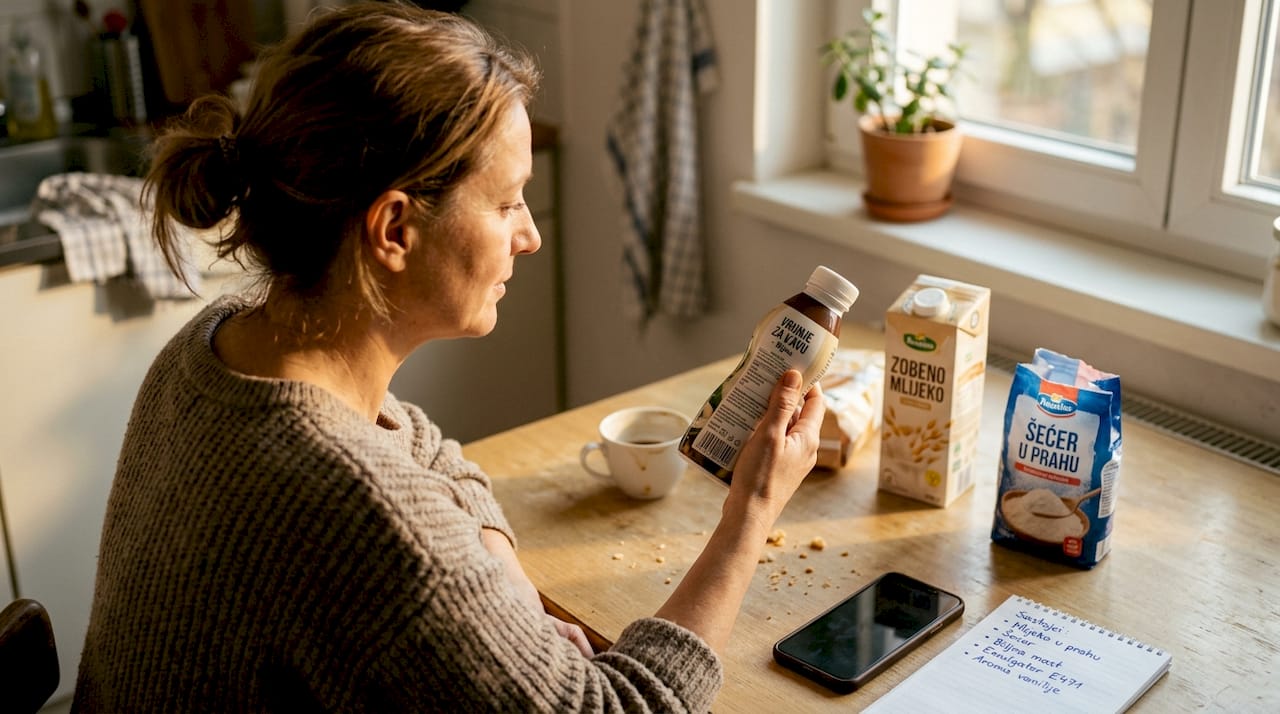
Professional tip: Do not rely only on the front label of a product. Marketing claims can sound convincing, but the real information is in the INCI ingredient list. Choose products that clearly state “paraben-free” and communicate their composition transparently.
When choosing paraben-free products, look for formulas with alternative preservatives and a stable composition. Calendula extract is a great example of a botanical ingredient that helps care for and soothe the skin. Natural cosmetics often use vitamin E, selected plant extracts and other gentle preservatives that help maintain the stability of the product.
Key steps when choosing safer products:
- Read the full ingredient list, not only the claims on the front of the packaging
- Look for natural or organic cosmetic certifications from recognized organizations
- Check reviews from users with sensitive skin or similar needs
- Start with one product and test it before changing your entire routine
Many natural cosmetic brands go a step further by combining gentler preservatives with active ingredients that provide additional benefits for the skin. Natural ingredients for fighting wrinkles can be part of an effective routine without relying on unnecessarily harsh ingredients. This balance between safety, comfort and effectiveness is exactly what makes natural cosmetics increasingly attractive.
For parents, it is especially important to choose children’s products carefully. Children’s skin is thinner and more sensitive than adult skin, so gentle formulas without unnecessary ingredients are the best choice for daily care. Natural care for children helps reduce exposure to potentially irritating ingredients while the skin barrier is still developing.
Professional tip: Make a gradual transition to paraben-free products. Start with the products you use in the largest amounts or on the most sensitive areas, such as face cream or body products. This approach allows the skin to adjust and makes it easier to track any possible reactions.
Explore our range of natural paraben-free products
Now that you understand why many people choose paraben-free products, it is time to explore gentler alternatives. La PIEL offers a wide range of natural paraben-free cosmetics developed for everyone looking for safe, effective and comfortable skincare. Our products combine carefully selected ingredients, modern formulations and a premium feel, with a focus on skin that deserves a gentle yet functional routine.
Every La PIEL product is carefully formulated with natural and active ingredients that care for the skin and support an everyday routine. Whether you are looking for face care products that help hydrate and smooth the skin, body care products that leave the skin soft and nourished, or natural care for children that is gentle enough for the most sensitive skin, the La PIEL collection offers solutions adapted to different skin needs. Choose products that respect your skin, your routine and your values.
Frequently asked questions
What are parabens and why does the industry use them?
Parabens are synthetic preservatives that prevent the growth of microorganisms in cosmetic products. The industry uses them because they are effective, stable and can help extend a product’s shelf life. Their widespread use is mostly connected to functionality and cost, not to any additional benefit for the skin.
What are the alternatives to paraben preservatives in cosmetics?
Alternatives include various gentle preservatives, botanical extracts, vitamin E and other ingredients that help maintain formula stability. In natural cosmetics, a combination of several ingredients is often used to keep the product safe to use while remaining gentle on the skin.
How can I recognize paraben-free products on the label?
Parabens are most often listed under names ending in “paraben”, such as methylparaben, propylparaben or butylparaben. Check the full ingredient list, not only the front label. Products with a clear “paraben-free” claim and a transparent INCI list are a good starting point.
Are paraben-free products safe during pregnancy?
Paraben-free products are often a preferred choice during pregnancy because they help reduce exposure to ingredients that are discussed in relation to hormonal activity. Still, during pregnancy it is always best to choose gentle formulas, read ingredient lists carefully and consult a doctor or dermatologist if needed.
